The humble apron has long been a symbol of domesticity, femininity, and practicality. From its origins in the Middle Ages to its evolution into various vintage styles throughout the 20th century, the apron has played an integral role in women’s lives. This article explores the rich history of women’s aprons, highlighting key styles, cultural significance, and the changing perceptions of women’s roles in society.
Origins of the Apron

The term “apron” is derived from the Old French word “naperon,” which means a small cloth. Historically, aprons were worn by both men and women, serving primarily as a protective garment in various trades and domestic tasks. The origins of aprons can be traced back to the Middle Ages when they were used by artisans and laborers.
- Medieval Period: Early aprons were functional, made from durable materials to protect clothing while working.
- Renaissance: Aprons became more decorative, often adorned with intricate embroidery, reflecting status and fashion.
The Evolution of Women’s Aprons
As societal roles evolved, so did the design and purpose of women’s aprons. The 19th and 20th centuries saw significant changes influenced by industrialization, war, and shifting gender roles.
The Victorian Era: Elegance and Functionality

In the Victorian era, aprons became symbolic of a woman’s role as a homemaker. They were often elaborately designed, combining elegance with functionality. Women wore aprons not just for protection but as an expression of their identity.
- Materials: Common fabrics included cotton, linen, and silk, often embellished with lace.
- Styles: Full-length aprons with waist ties and pockets became popular, allowing women to carry small items while working.
The 1920s: The Rise of the Flapper Apron
The 1920s marked a significant cultural shift as women gained more independence and began to embrace new styles. The flapper apron emerged, reflecting the playful spirit of the era.
- Design: These aprons featured shorter lengths and bold patterns, often made of vibrant fabrics.
- Symbolism: The flapper apron signified a break from traditional roles, allowing women to express their individuality even in domestic settings.
The 1950s: The Classic Housewife Apron

The post-World War II era saw the idealization of the nuclear family, with women returning to domestic roles. The classic housewife apron became a staple in American households.
- Design Elements: Characterized by cheerful prints, ruffles, and pockets, these aprons were often paired with dresses and heels.
- Cultural Impact: The apron symbolized the “perfect housewife,” reflecting societal expectations of women during this time.
Aprons in Popular Culture
Throughout the decades, aprons have appeared in popular culture, further solidifying their place in the domestic sphere. Television shows, movies, and literature have often portrayed women in aprons, reinforcing societal norms and expectations.
Television and Film

Classic shows such as “Leave It to Beaver” and “The Brady Bunch” featured mothers in aprons, highlighting their roles as caregivers and homemakers. This portrayal contributed to the apron’s association with femininity and domesticity.
Iconic Apron Moments in Literature
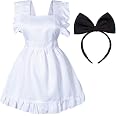
Literature has also captured the essence of aprons. In Laura Ingalls Wilder’s “Little House on the Prairie,” the apron serves as a practical tool and a symbol of a mother’s nurturing role.
Modern Interpretations and Resurgence
In recent years, the apron has experienced a revival, with modern designers reimagining vintage styles for contemporary wear. This resurgence is often linked to the growing interest in home cooking, baking, and crafting.
Contemporary Designs

- Fashion Influence: Modern aprons often incorporate elements of streetwear, with unique cuts and bold prints.
- Sustainable Fabrics: There is a growing trend towards eco-friendly materials, reflecting a commitment to sustainability.
The Apron as a Symbol of Empowerment
Today, many women embrace aprons not just as practical garments but as symbols of empowerment and creativity. The apron has become a fashion statement, often worn in non-traditional settings.
- Artisan Movement: Many artisans and chefs use stylish aprons as part of their identity, merging culinary arts with fashion.
- Gender Neutrality: The modern apron is designed for all genders, breaking away from the traditional association with women.
Statistics and Trends
The apron market has seen notable growth, reflecting changing consumer preferences and a renewed interest in home cooking. According to a market research report, the global apron market is expected to grow by 5.8% annually through 2026.
- Interest in Cooking: The COVID-19 pandemic sparked a surge in home cooking, leading to increased apron sales.
- Social Media Influence: Platforms like Instagram and Pinterest have popularized unique apron designs, encouraging creativity in the kitchen.
The history of women’s aprons is a fascinating reflection of societal changes, cultural expectations, and evolving gender roles. From the functional designs of the Middle Ages to the vibrant styles of the 1920s and the classic housewife aprons of the 1950s, each era has left its mark on this versatile garment. Today, aprons continue to adapt and thrive, serving as symbols of empowerment, creativity, and individuality. As we embrace modern interpretations and sustainable practices, the apron remains a beloved staple in kitchens and beyond, reminding us of the rich history that shaped its journey.
In summary, the evolution of women’s aprons showcases a blend of practicality and style, reflecting the changing roles of women throughout history. Whether worn for cooking, crafting, or as a fashion statement, aprons hold a special place in our cultural narrative, embodying the spirit of resilience and creativity.